



Best Oils for Muscle Recovery After Gym or Sports

The silent price of progress is that you work hard at the gym, enjoy your little victories, and wake up the next day with tense, sore muscles. Recovery is where growth actually happens: muscles need time, circulation, and gentle care to rebuild stronger.
Natural remedies, especially essential oils, provide a clean and focused approach to support recovery without relying on harsh chemicals. When chosen and used correctly, certain oils reduce inflammation, ease soreness, and encourage better circulation so your body heals faster between sessions.
In this guide, we’ll walk you through science-backed oils that athletes and casual lifters alike use, show you practical ways to apply them after tough workouts, and share safety tips so you can achieve results without irritation.
Why Muscle Recovery Matters
Exercise breaks down muscle fibers, tiny tears that, with rest and nutrition, rebuild stronger and more resilient. That repair process depends on good blood flow (to deliver nutrients), controlled inflammation (so swelling doesn’t stall recovery), and adequate rest. Skipping recovery can lead to prolonged soreness, decreased performance, and even injury from overtraining. Chronic poor recovery also raises stress hormones, saps energy, and reduces gains over time.
Two physiological levers matter most: circulation and inflammation control. Better circulation flushes out metabolic waste and brings oxygen and protein-rich blood to damaged tissue; managing inflammation prevents excess swelling that limits mobility.
Sleep and nutrition are essential, but topical and aromatic tools, such as targeted essential oils, can enhance local circulation, alleviate pain signals, and relax tense muscles. Used in conjunction with proper cooldowns, stretching, and protein-rich meals, oils are a natural, complementary step that supports what your body already needs to rebuild.
How Essential Oils Help Muscle Recovery
Three main ways that essential oils support healing are by lowering inflammation, easing pain, and improving local circulation. Certain oil compounds, such as camphor-like molecules in rosemary, 1,8-cineole in eucalyptus, and menthol in peppermint, produce warming or cooling sensations that relax tight muscles, increase blood flow, and divert pain receptors. Aromatic effects also calm the nervous system, lowering stress hormones that otherwise delay repair.
Applied correctly, oils can accelerate the cleanup of waste products after exercise and soothe micro-tears. Typical methods include diluted topical massage, warm compresses, or concentrated post-workout baths.Natural does not, however, imply risk-free: always dilute essential oils in a carrier oil (such as sweet almond or fractionated coconut oil), conduct a 24-hour patch test, and keep them away from mucous membranes and broken skin. See a healthcare provider first if you are pregnant or taking medication. When used thoughtfully, essential oils are a targeted, low-side-effect tool to add to your recovery toolkit.
Top Essential Oils for Muscle Recovery
Peppermint Oil
Peppermint’s menthol delivers an immediate cooling effect that soothes sore spots and eases tension. It also increases local circulation, which helps clear lactic acid and speeds recovery. Apply 1–2 drops to a cool compress for severe soreness or dilute 2–4 drops in a tablespoon of carrier oil for a post-workout rub. For people who are prone to irritation, avoid sensitive skin areas and dilute less.
Eucalyptus Oil
Eucalyptus contains eucalyptol, an anti-inflammatory compound that eases muscle stiffness and supports breathing for better oxygenation during recovery. It works well in massage blends or steam inhalations after intense cardio. Mix three drops with 15 mL of carrier oil and gently massage into tight muscles, or add 4–5 drops to a warm bath to relax the entire body and promote deeper post-exercise recovery.
Rosemary Oil
Rosemary boosts circulation and reduces muscular stiffness thanks to its camphor-like and cineole constituents. It’s especially useful after long training days or repetitive-use workouts. Combine three drops of rosemary with two drops of peppermint in 10–15 ml carrier oil for a warming, circulation-focused massage. Use before gentle stretching to loosen tissue and improve mobility. The warming action prepares muscles for safer lengthening and recovery.
Lavender Oil
Lavender is well respected for its calming scent and mild analgesic action. It reduces nervous-system tension that often tightens muscles after workouts, helping both mind and body relax. Use lavender in a post-workout bath or in a diluted massage blend (3–4 drops per 15 ml carrier) to soothe soreness and encourage better sleep, an essential part of recovery.
Ginger Oil
Ginger oil produces a gentle warming sensation that improves blood flow to tight, stiff muscles. Its anti-inflammatory compounds are helpful for ongoing aches following heavy training or for workouts in cold conditions. Add around 2 to 3 drops to a hot compress for focused relief, or combine two to three drops with a spoon of carrier oil and massage into aching spots.
Marjoram Oil
Sweet marjoram is excellent at easing muscle spasms and cramping thanks to its antispasmodic properties. It’s a favorite for athletes who suffer from tight calves or post-event cramps. Blend three drops of marjoram with 10–15 mL of carrier oil and knead it into cramped areas after gentle stretching. Combine with a warm compress for deeper relaxation.
Black Pepper Oil
Black pepper oil stimulates circulation and creates a warming effect that helps loosen tight tissue before stretching or mobility work. It’s great as a pre-stretch rub in small amounts, 1–2 drops in 15 ml carrier oil, to increase flexibility and reduce the risk of strain. Use sparingly; its warming can feel intense for sensitive skin.
Chamomile Oil
Chamomile offers calming, anti-inflammatory support that’s gentle on skin, ideal for post-exercise recovery when inflammation needs soothing without irritation. Its relaxing aroma also aids sleep, which is key to muscle repair. Add four drops to a warm bath or blend three drops into 15 ml carrier oil for a gentle, restorative massage.
Conclusion
Nature provides simple, low-risk resources to aid in recovery, which is where progress is made. Well-selected essential oils promote circulation, lessen inflammation, and ease soreness, enabling your body to heal more quickly and bounce back stronger. Utilize oils as part of a more comprehensive recovery strategy that includes rest, protein, and adequate sleep.
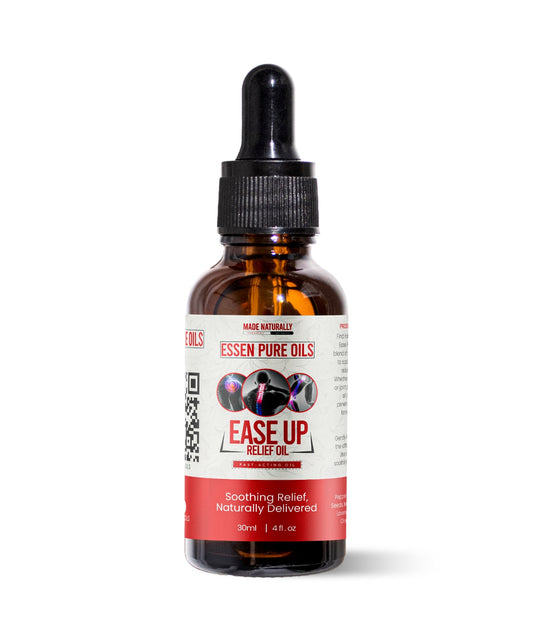
Start small, experiment with a post-workout soak or diluted massage blend, and see how weeks of regular, gentle care add up. The same consideration you give to your training objectives should also be given to your muscles. Discover pure, user-friendly blends created especially for athletes and active people looking for all-natural, efficient post-workout support by perusing Essen Pure Oils' recovery collection.
FAQs
Q1: Which essential oil is best for muscle recovery?
A1: Peppermint, eucalyptus, and rosemary are top choices for cooling, circulation, and reduced stiffness.
Q2: Can I apply essential oils directly after a workout?
A2: Yes—if diluted properly and after a quick shower; avoid open wounds and sensitive areas.
Q3: How often should I use oils for recovery?
A3: Use post-workout or on recovery days—1–2 times daily as needed, maintaining safe dilution.
Q4: What’s the best carrier oil for muscle massage?
A4: Jojoba, sweet almond, or fractionated coconut oil are excellent for absorption and glide.
Q5: Are these oils safe for sensitive skin or daily use?
A5: Many are safe when diluted; patch-test first and consult a clinician for chronic conditions or pregnancy.